
Beginner Polish Phrases to Impress Your Friends
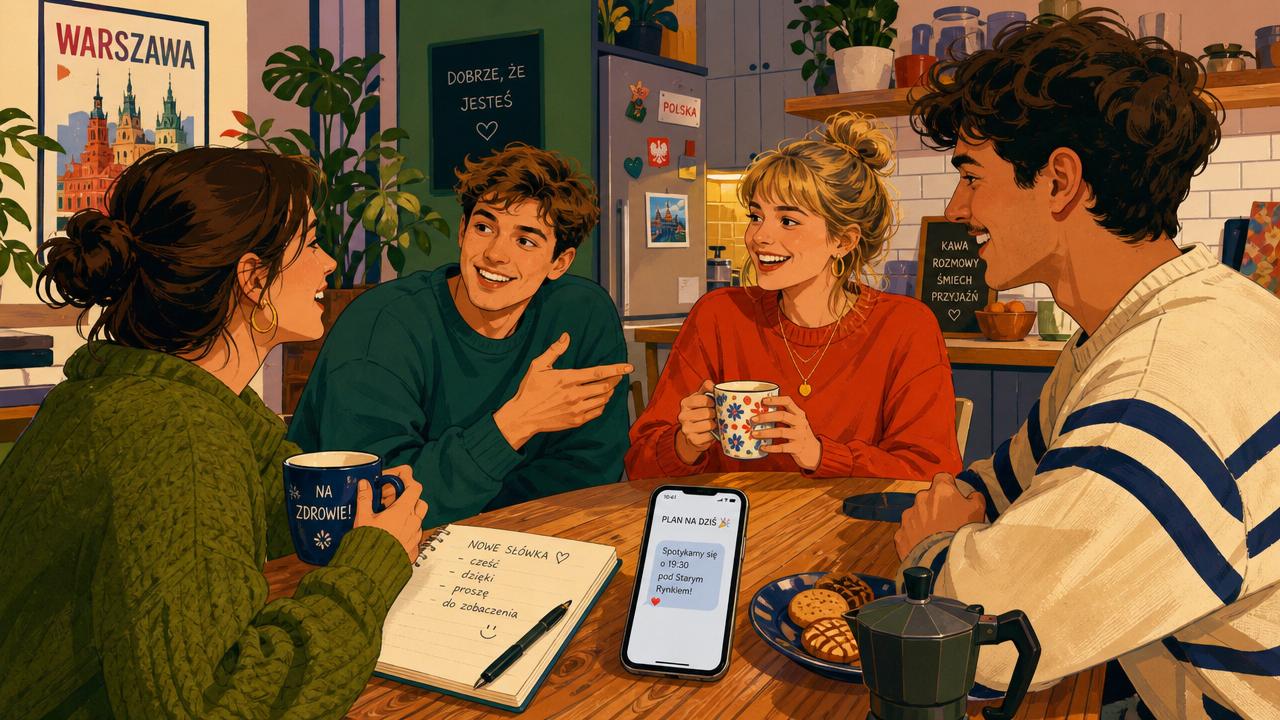
If you want to sound more natural with Polish friends, you do not need dozens of complicated phrases. A few everyday lines, used at the right moment, can make a big difference. This guide focuses on beginner-friendly Polish phrases for casual plans, going out, and visiting people at home.
Start with the most useful basics
These are the easiest phrases to learn first because they fit into almost any social situation. They are short, polite, and useful whether you are meeting someone for coffee, arriving at a party, or saying goodbye after dinner.
- Cześć — Hi / bye, casual and friendly.
- Dziękuję — Thank you.
- Proszę — Please / here you go.
- Przepraszam — Sorry / excuse me.
- Miło cię poznać — Nice to meet you.
Useful phrases for going out
When you are making plans or meeting friends in town, simple phrases help you sound relaxed and polite. These are especially handy when you are arranging a time, asking where to go, or saying you are on your way.
- Masz ochotę na kawę? — Do you feel like having a coffee?
- Idziemy na coś do jedzenia. — We’re going to get something to eat.
- Gdzie się spotykamy? — Where are we meeting?
- Będę za pięć minut. — I’ll be there in five minutes.
- To brzmi dobrze. — That sounds good.
A nice beginner habit is to add one small follow-up. For example, after saying “That sounds good,” you can ask a simple question like “O której?” meaning “At what time?” That keeps the conversation moving without needing advanced Polish.
Phrases that sound natural at someone’s home
Visiting Polish friends at home is a great place to use friendly, practical language. Politeness matters, but you do not need to sound formal all the time. Short phrases can help you feel comfortable and show good manners.
- Dziękuję za zaproszenie. — Thank you for inviting me.
- Mogę ci pomóc? — Can I help you?
- Gdzie mam zostawić buty? — Where should I leave my shoes?
- Pachnie świetnie. — It smells great.
- Wszystko jest pyszne. — Everything is delicious.
A few polite responses to remember
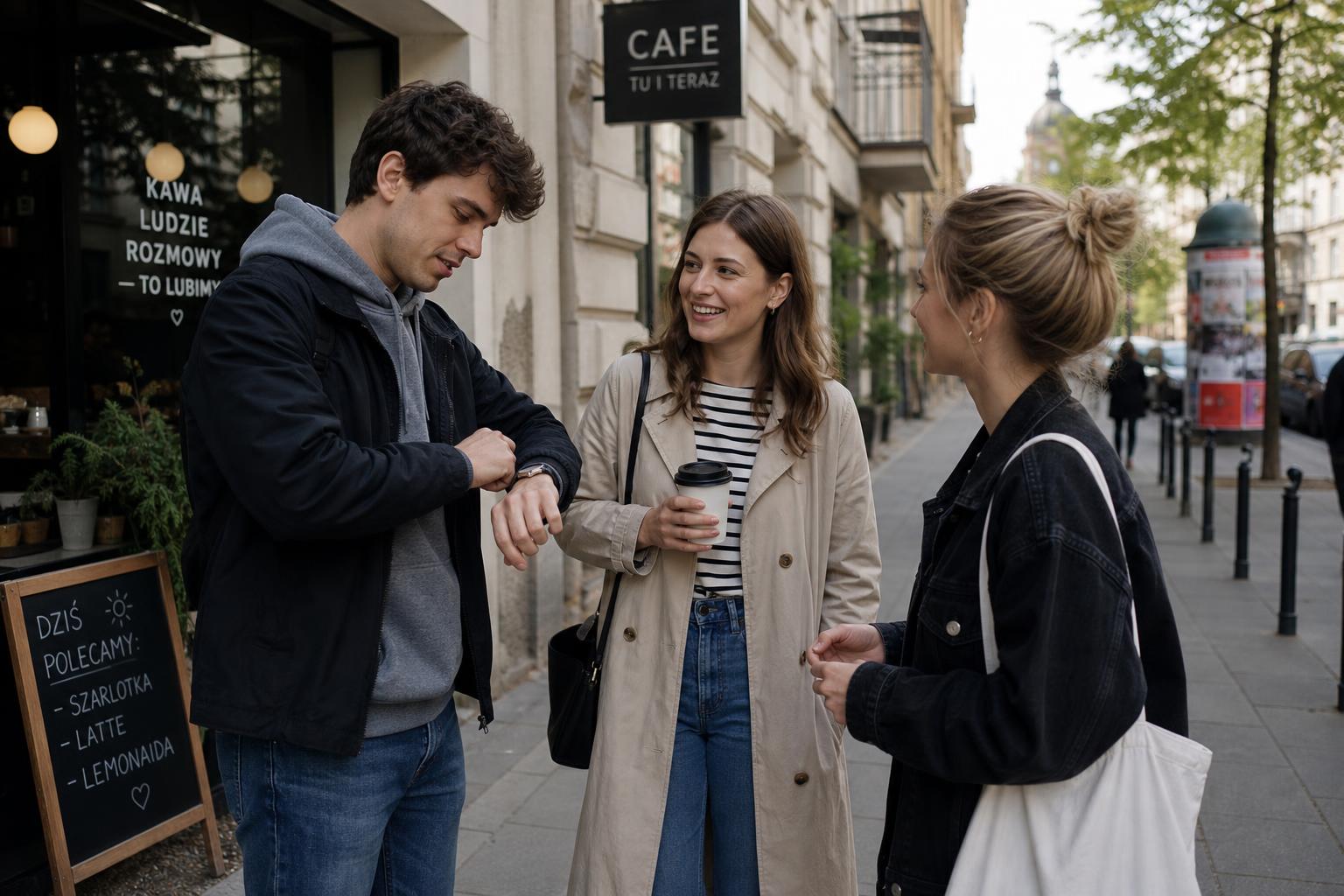
If someone offers you food, drink, or help, a warm response makes you sound thoughtful even with limited vocabulary. Try simple replies like “Tak, poproszę” for “Yes, please,” or “Nie, dziękuję” for “No, thank you.”
Small phrases that make you sound more local
Once you know the basics, a few extra phrases can make your Polish feel more natural. These are not hard to learn, and they work well in everyday conversation with friends.
- Naprawdę? — Really?
- Jasne. — Sure / of course.
- Dokładnie. — Exactly.
- Super. — Great.
- Nie ma sprawy. — No problem.
These phrases are useful because they are short and flexible. You can use them in a conversation about dinner plans, weekend outings, or just chatting before or after meeting up. They are also a good way to keep the tone friendly without overthinking every sentence.
Quick cultural note: be friendly, not flashy
In everyday Polish conversation, being clear and warm is more important than using fancy language. If your pronunciation is not perfect, that is completely fine. Most people appreciate the effort when you use simple phrases confidently and at the right moment.
A good goal for beginners is to learn three things for each situation: how to greet, how to thank someone, and how to respond naturally. That small toolkit goes a long way when you are going out or spending time at someone’s home.
Try this mini conversation
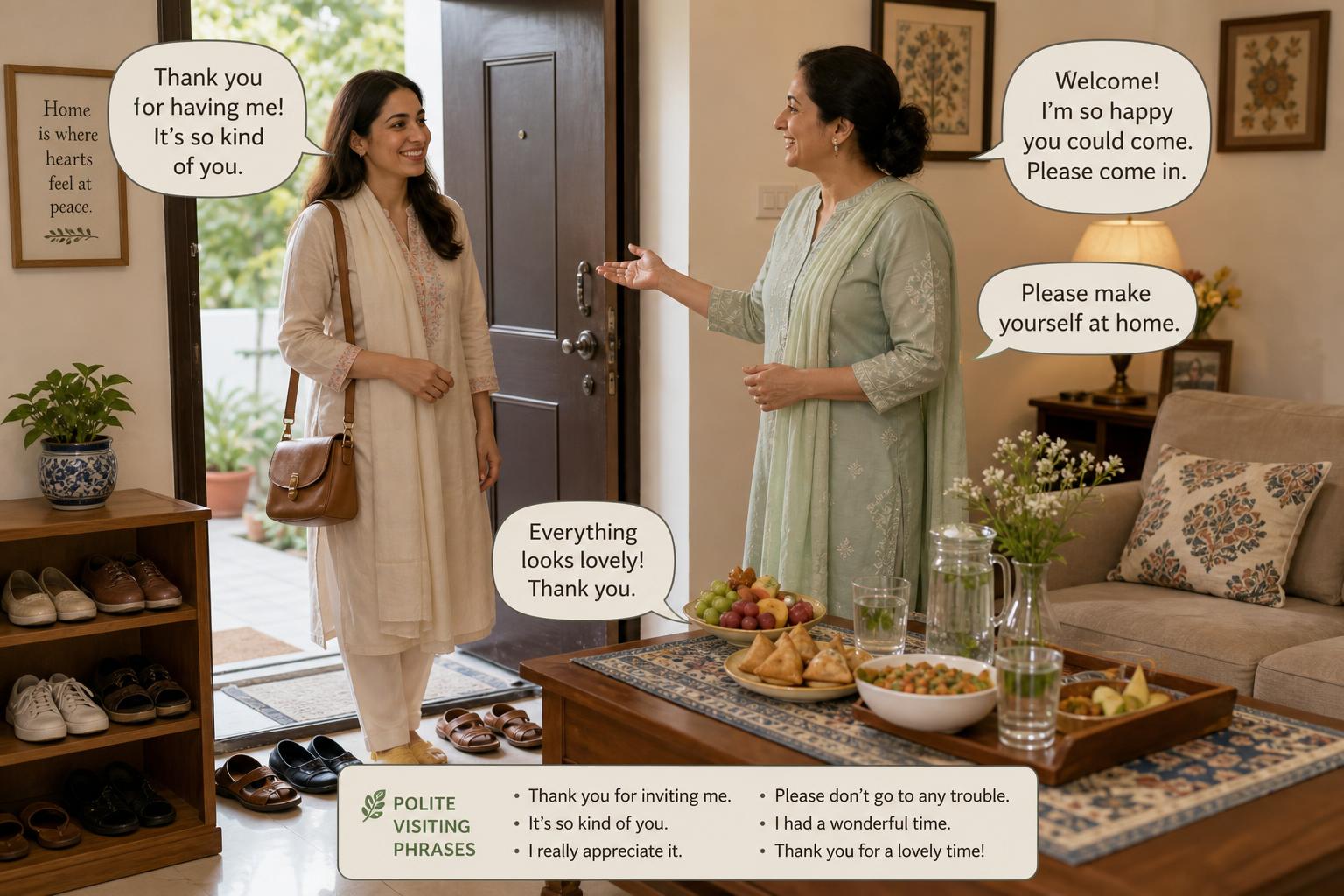
Here is a simple example you could actually use with friends. It shows how a few beginner phrases can fit together naturally.
- Cześć! — Hi!
- Miło cię poznać. — Nice to meet you.
- Masz ochotę na kawę? — Do you feel like having a coffee?
- Jasne, brzmi dobrze. — Sure, sounds good.
- Dziękuję za zaproszenie. — Thanks for inviting me.
A simple confidence boost for beginners
You do not need perfect grammar to make a good impression. Start with a few phrases you can say comfortably, then reuse them in real conversations. The more often you hear and speak them, the more natural they will feel.
If you want to sound more polished fast, focus on the phrases you will actually need: greetings, thanks, invitations, and simple reactions. That is enough to handle many everyday social situations with Polish friends.
Final takeaway
For beginner Polish, a small set of everyday phrases can do a lot of work. Learn the basics, use them often, and do not worry about being perfect. Friendly, simple Polish is usually the most impressive kind.