
Taiwanese Mandarin and Mainland Mandarin: Travel Differences That Matter
Compare Taiwan and mainland Mandarin for travel: metro, platform and taxi words, traditional and simplified characters, pronunciation, and two short station exchanges.

Compare Taiwan and mainland Mandarin for travel: metro, platform and taxi words, traditional and simplified characters, pronunciation, and two short station exchanges.

Hear the difference between septante and soixante-dix, check what dîner means, and recognise GSM in a Brussels French conversation.

A Cusco-area guide to asking about Quechua place names in Spanish, checking different spellings on maps, and knowing when to ask a local speaker.

Japanese for a Tokyo Metro delay or suspended service: check the line, ask about a route to Ueno, confirm the platform, and follow a station staff reply.
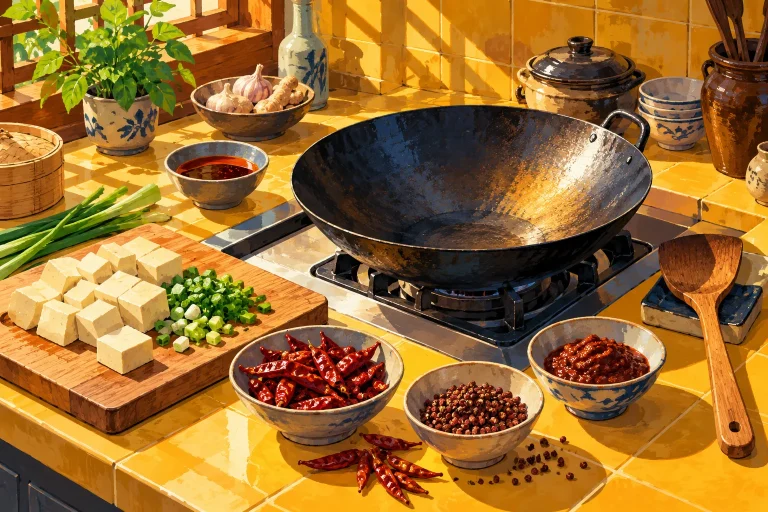
Mandarin for a Chengdu cooking class: ask about chilli and Sichuan pepper, check a cut and heat setting, follow timing, and request another demonstration.

In a Brussels bookshop, ask for a local writer and a genre you enjoy, check the edition’s language and price, and follow the bookseller’s language.
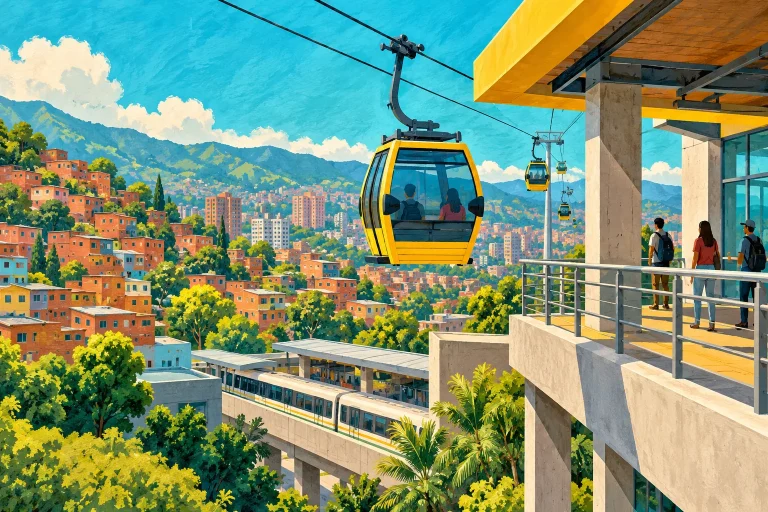
Use Spanish to check the direction to Acevedo, transfer to Medellín’s Metrocable line K, ask about service, and load a Cívica card for the trip.

Japanese for a Kyoto pottery class: confirm the booking, ask for another wheel demonstration, check your clay shape, and understand firing and delivery.

Learn Taiwan Mandarin for a Taipei calligraphy class: ask about brushes, ink and strokes, follow the instructor, and request permission before photographing someone’s work.

French for a Paris macaron class: read grams, name pastry tools, ask about texture, confirm oven timing, and request a slower demonstration.